What is this life if full of care ,
we have no time to stand and stare. Leisure -
W. H. Davies.
|
Birds
06/10/26
Ring-necked Parakeets were seen and heard in Area 1 near Gorrick Woods. In Area 7A there were 5 Common Buzzard riding the thermals above Matthews Green.
05/10/26
Over Paul Bright- Thomas's garden in Area 4 were 35 Chaffinch . Definitely on the move, two groups of 10. Some heard high up, but the majority actually quite low, and stopping in gardens and on trees.
03/10/26
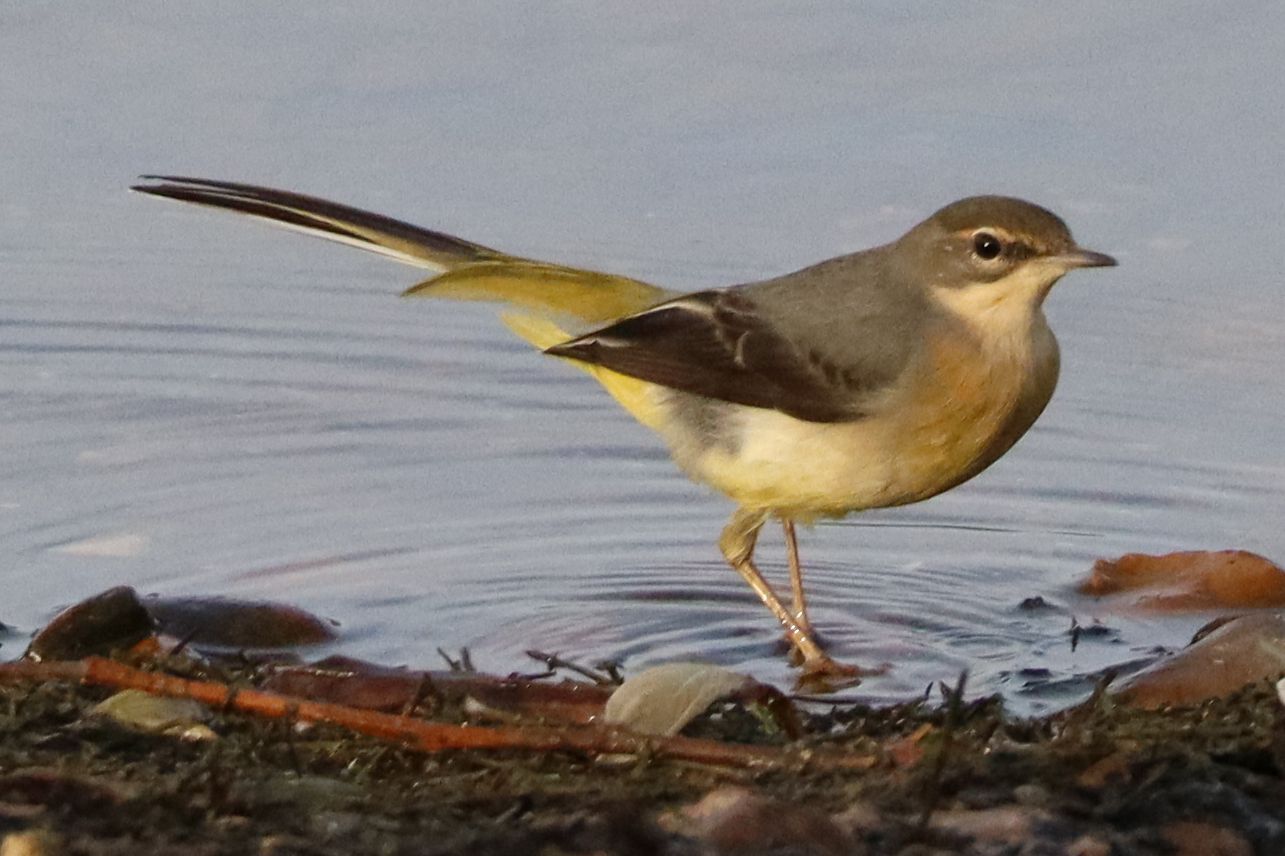 On the beach at Dinton Activity Centre in Area 10 were 2 Grey Wagtail seen by Philip Giles .During the litter pick in Area 5 a Kingfisher was seen flying under
Dragonfly Bridge.
On the beach at Dinton Activity Centre in Area 10 were 2 Grey Wagtail seen by Philip Giles .During the litter pick in Area 5 a Kingfisher was seen flying under
Dragonfly Bridge.
01/10/26
Calling from bushes near Morrisons car park in Area 5 was a male Chiffchaff .
|
Insects
07/10/26
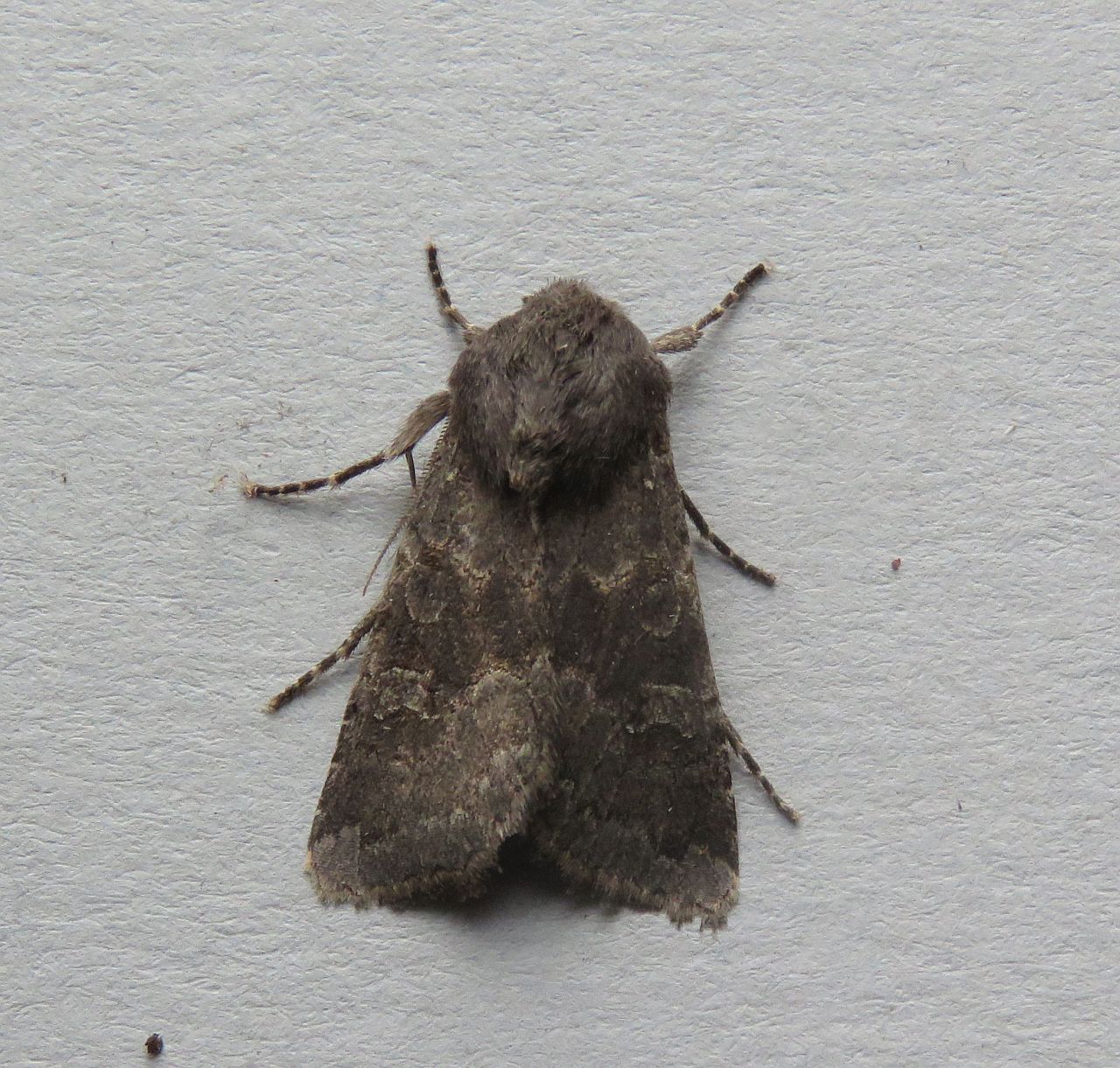 The moth trap was out overnight on 06/10/26 and checked this morning . The catch was 53 moth's of 23 species.
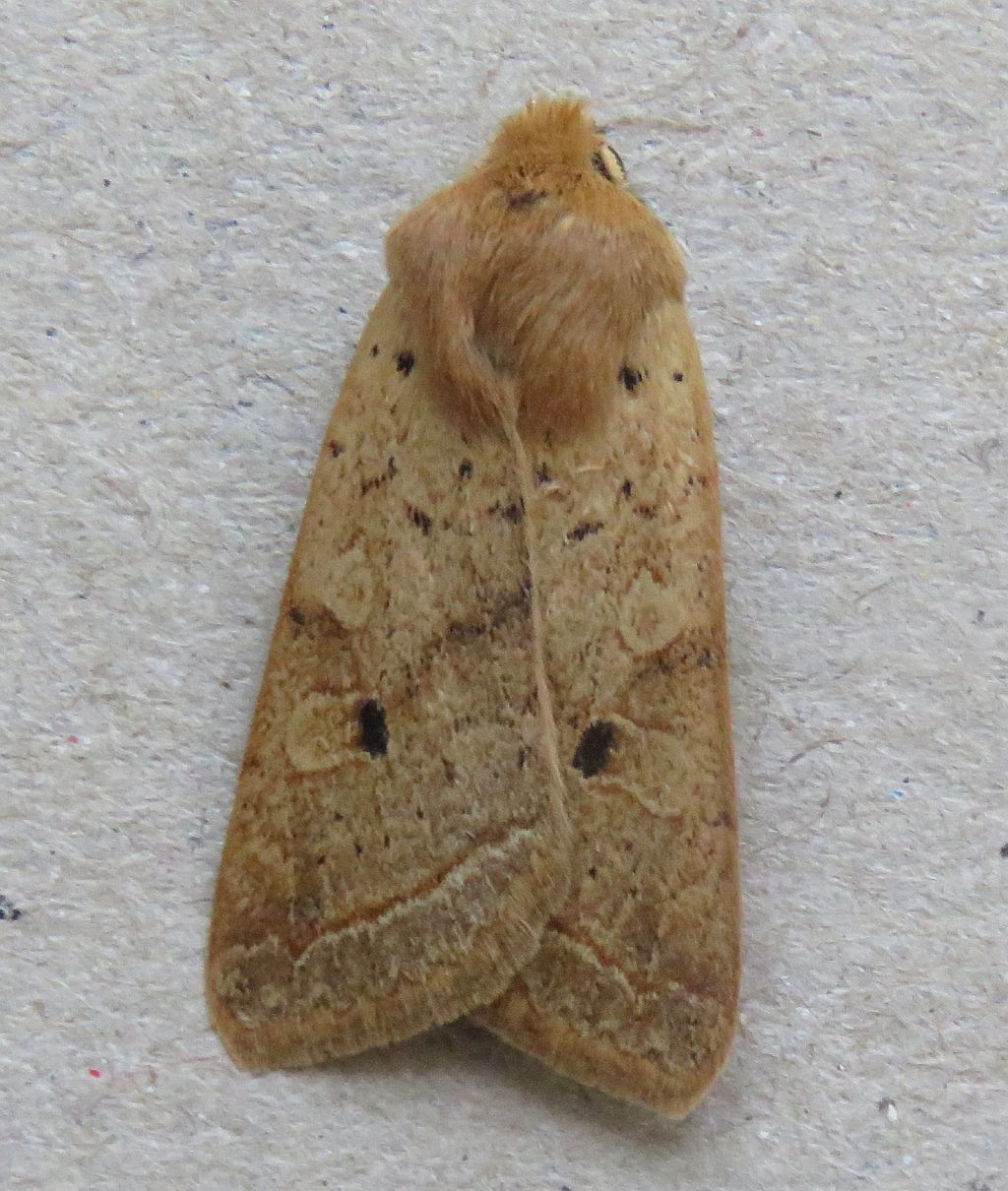 Highlights were a Deep-brown Dart Aporophyla lueneburgensis and a Yellow-line Quaker Agrochola macilenta
With 2 new moth species added ,the total for 2026 is 273 species.Following inspection and recording/photographing anything caught was released.
Highlights were a Deep-brown Dart Aporophyla lueneburgensis and a Yellow-line Quaker Agrochola macilenta
With 2 new moth species added ,the total for 2026 is 273 species.Following inspection and recording/photographing anything caught was released.
05/10/26
The moth trap was out overnight on 04/10/26 and checked this morning . The catch was 35 moth's of 13 species.It was another night with no highlights
With no new moth species added ,the total for 2026 is still 271 species.Following inspection and recording/photographing anything caught was released.
03/10/26
 The moth trap was out overnight on 02/10/26 and checked this morning . The catch was 47 moth's of 22 species.
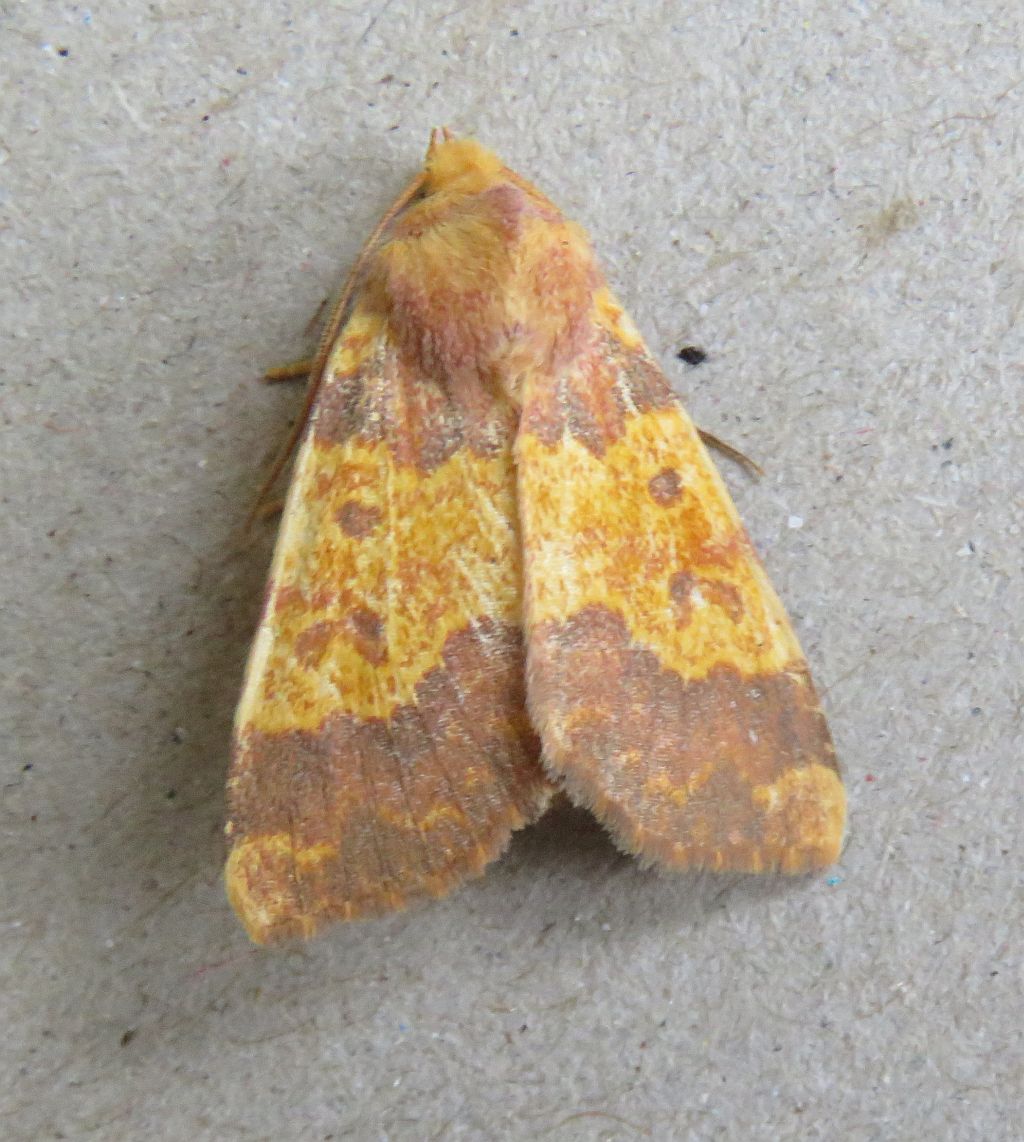 Highlights were a Merveille du jour Dichonia aprilina .Literally meaning ‘wonder of the day’. This attractive, black and white patterned, emerald green moth, reckoned as one of the most beautiful to be
found in the British isles, is aptly named as it is a little wonder to behold,a Barred Sallow Tiliacea aurago and Beaded Chestnut Agrochola lychnidis.
Highlights were a Merveille du jour Dichonia aprilina .Literally meaning ‘wonder of the day’. This attractive, black and white patterned, emerald green moth, reckoned as one of the most beautiful to be
found in the British isles, is aptly named as it is a little wonder to behold,a Barred Sallow Tiliacea aurago and Beaded Chestnut Agrochola lychnidis.
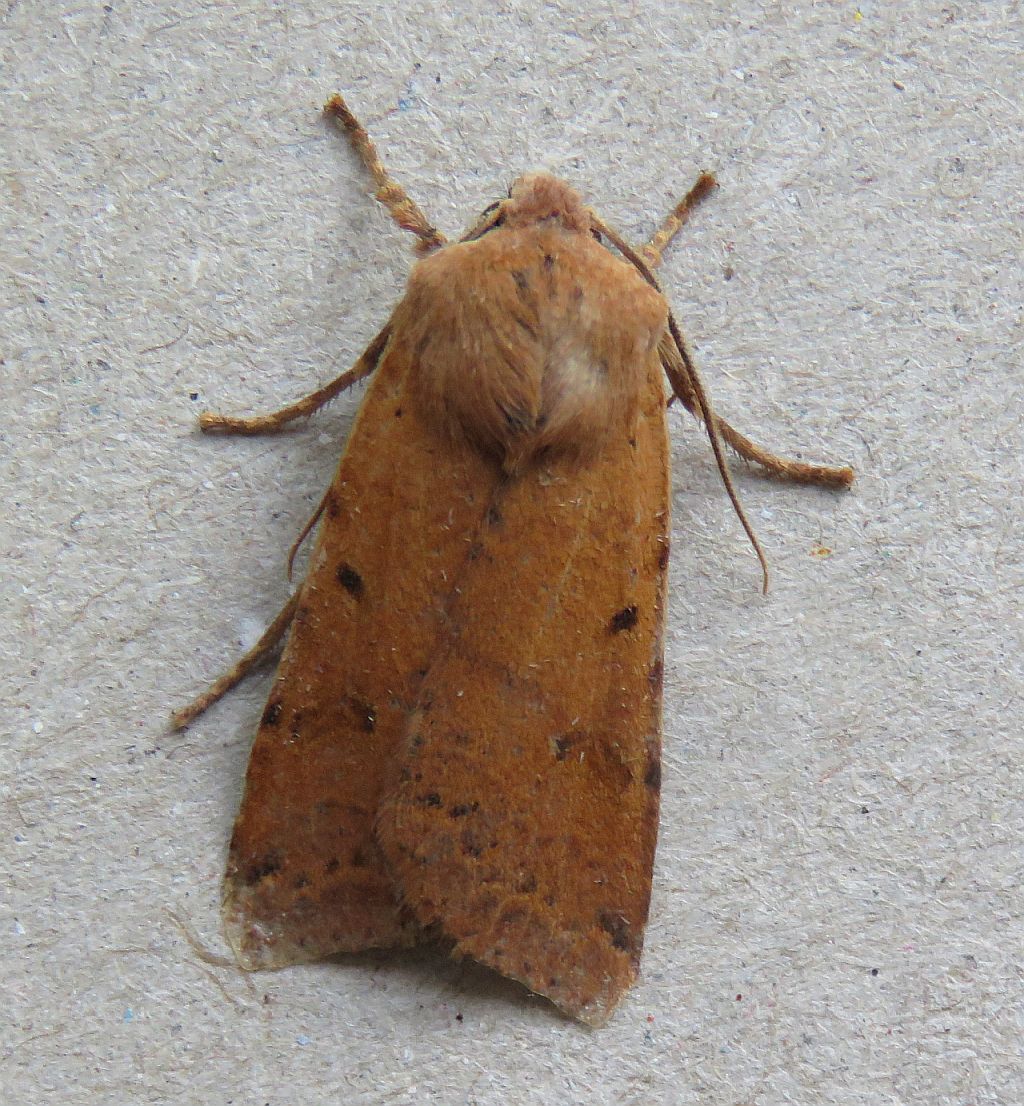 With 3 new moth species added ,the total for 2026 is 271 species.Following inspection and recording/photographing anything caught was released.
02/10/26
 With the moth trap out overnight during October, it coincides with peak Cranfly season.Tipulidae Cranefly are also known as Daddy Long legs. The adults are on the wing during the late summer and are common in gardens and fields,
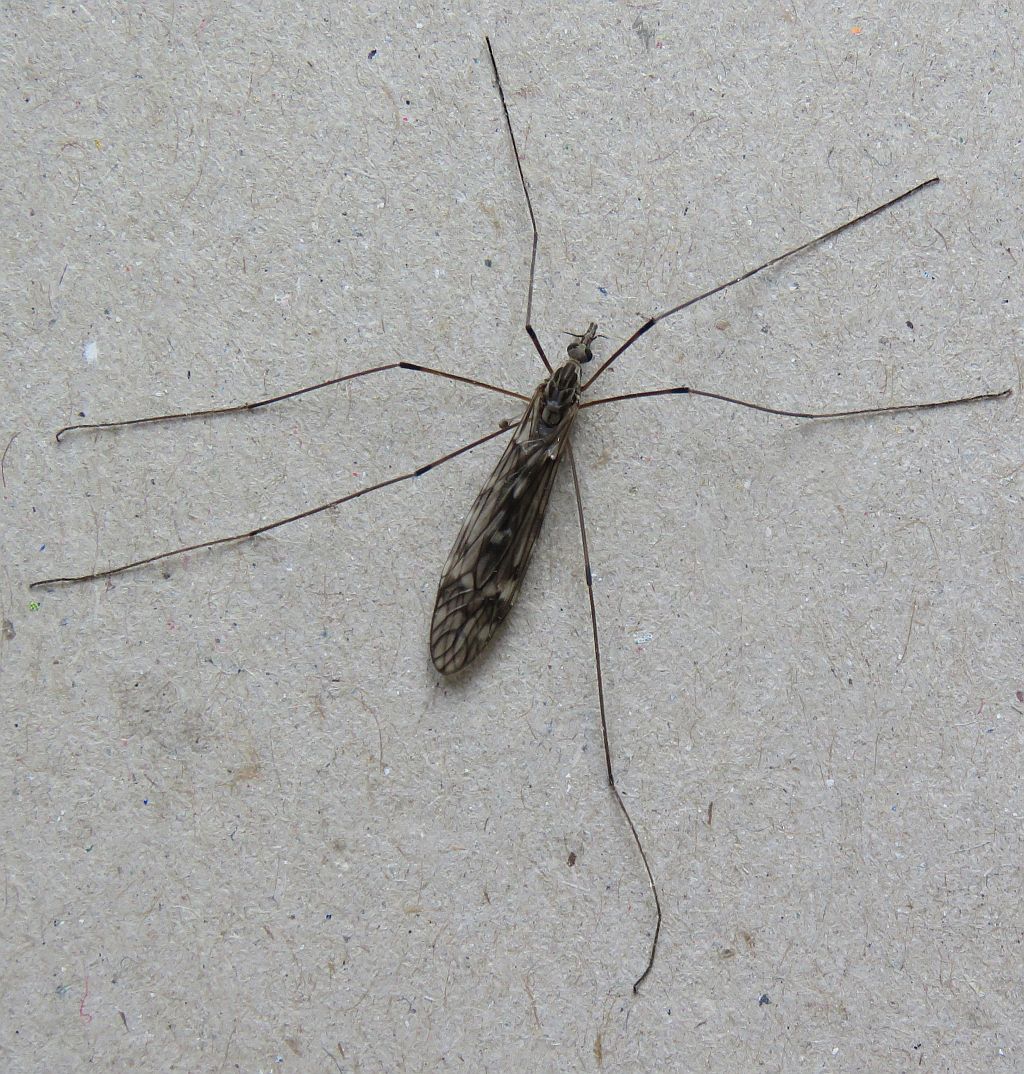 often coming indoors. They rarely feed at this time, concentrating on mating and laying their eggs among the grass.If you look closely, the male has a square-ended body, but the female has a long, sharp-ended body -
this stinger-like 'tail' is her ovipositor, which she uses to lay her eggs in the ground.
often coming indoors. They rarely feed at this time, concentrating on mating and laying their eggs among the grass.If you look closely, the male has a square-ended body, but the female has a long, sharp-ended body -
this stinger-like 'tail' is her ovipositor, which she uses to lay her eggs in the ground.
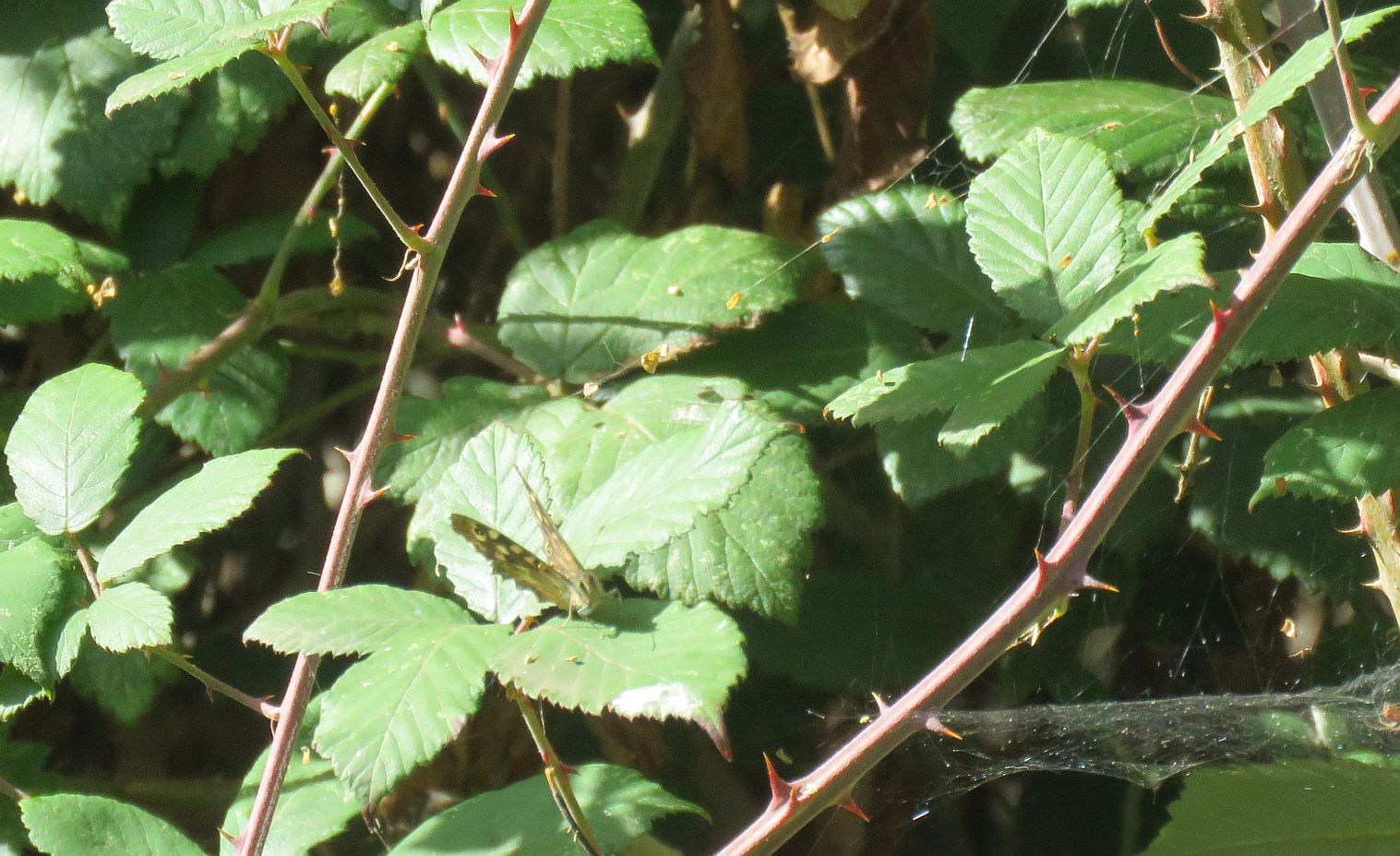 In Area 5 there were 2 fighting Speckled Wood Pararge aegeria butterflies. Scrapping for their piece of of a bramble bush.
01/10/26
The moth trap was out overnight on 30/09/26 and checked this morning . The catch was just 13 moth's of 8 species.
With no new moth species added ,the total for 2026 is still 268 species.Following inspection and recording/photographing anything caught was released.
|
Plants/ Trees
06/10/26
 In Area 1 saw Maple Black Spot Rhytisma acerinum on roadside Field Maple Acer campestre . Tar spot is a leaf spot disease caused by the fungus Rhytisma acerinum.
It is seen most commonly on sycamore, but can also affect a number of other Acer species. The spots are unsightly, and the disease can cause slightly premature leaf fall. It has no long-term effect on the vigour of affected trees, however.
In Area 1 saw Maple Black Spot Rhytisma acerinum on roadside Field Maple Acer campestre . Tar spot is a leaf spot disease caused by the fungus Rhytisma acerinum.
It is seen most commonly on sycamore, but can also affect a number of other Acer species. The spots are unsightly, and the disease can cause slightly premature leaf fall. It has no long-term effect on the vigour of affected trees, however.
02/10/26
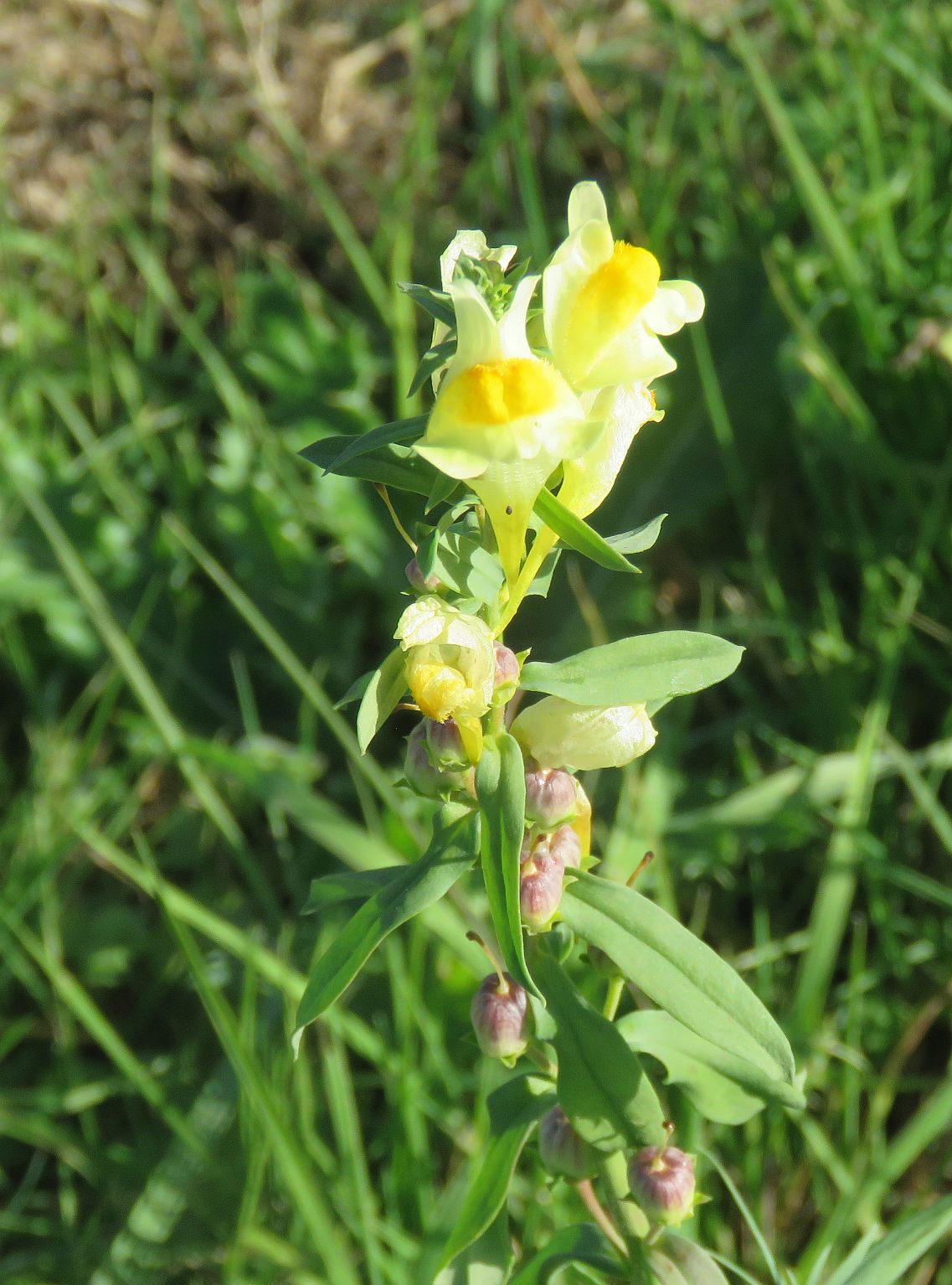 Seen on the Spine Road in Area's 4 & 5 today were Common Toadflax Linaria vulgaris , White Campion Silene latifolia ,
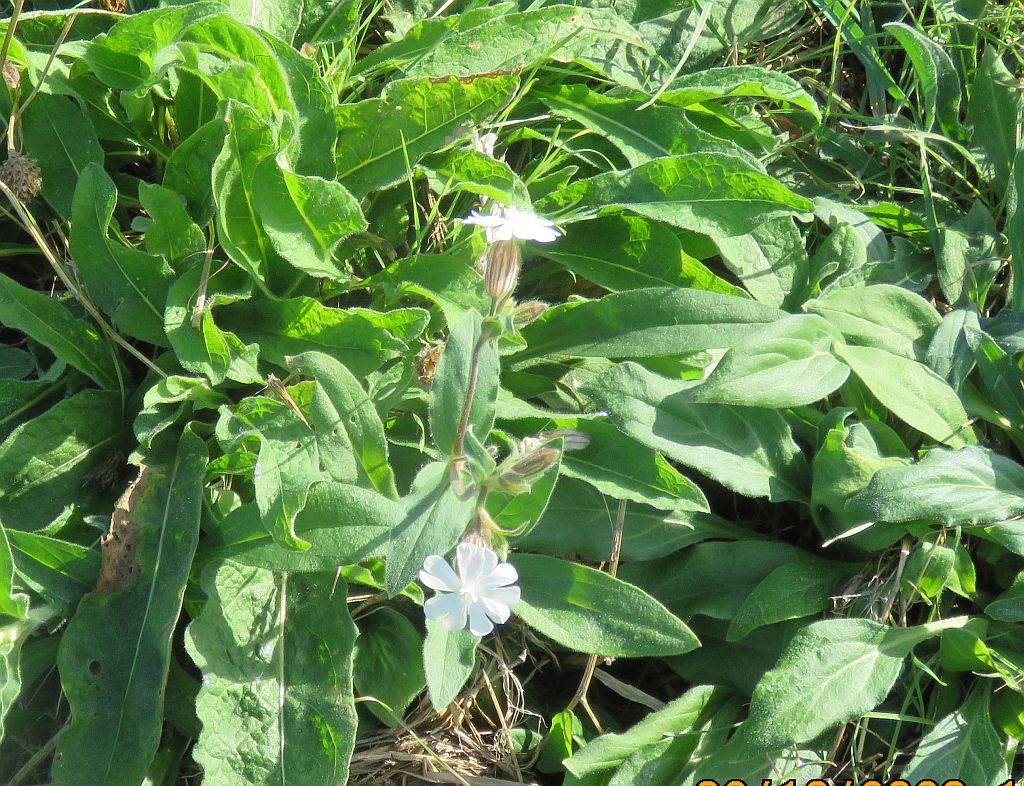 Yarrow Achillea millefoliumand suprisingly a .
Cyclamen Cyclamen persicum which seemed to be thriving.
Yarrow Achillea millefoliumand suprisingly a .
Cyclamen Cyclamen persicum which seemed to be thriving.
01/10/26
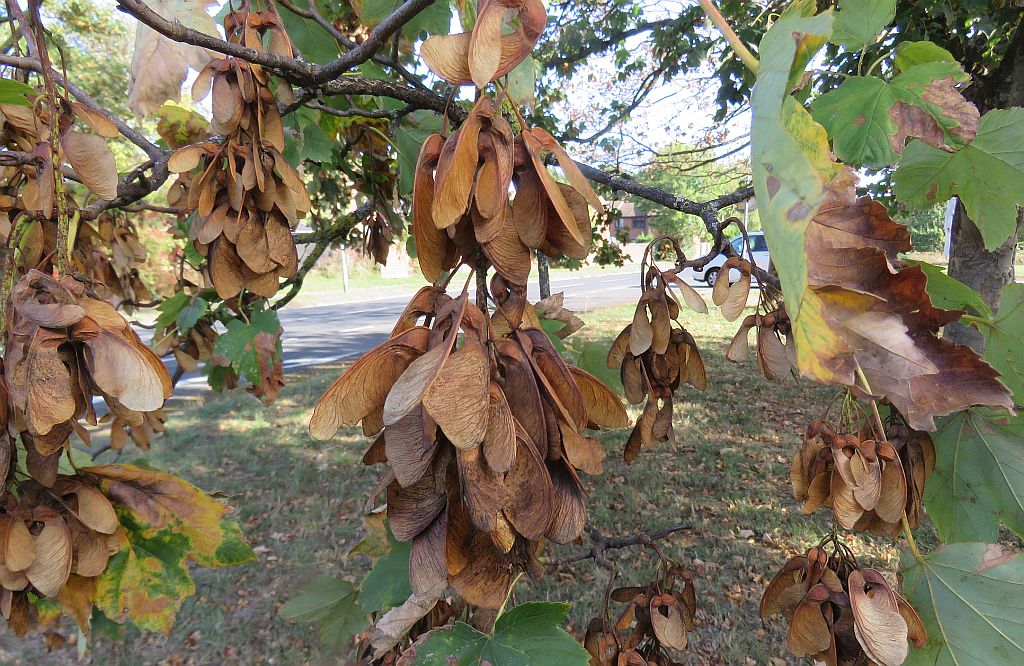 All along the Emm Brook you can see the seeds of European Sycamore Acer pseudoplatanus . They are a pair of joined, winged seeds called samaras (often called "helicopters" or "keys").
They form a distinctive V-shape and spin as they fall to the ground.
All along the Emm Brook you can see the seeds of European Sycamore Acer pseudoplatanus . They are a pair of joined, winged seeds called samaras (often called "helicopters" or "keys").
They form a distinctive V-shape and spin as they fall to the ground.
Spiders
01/10/26
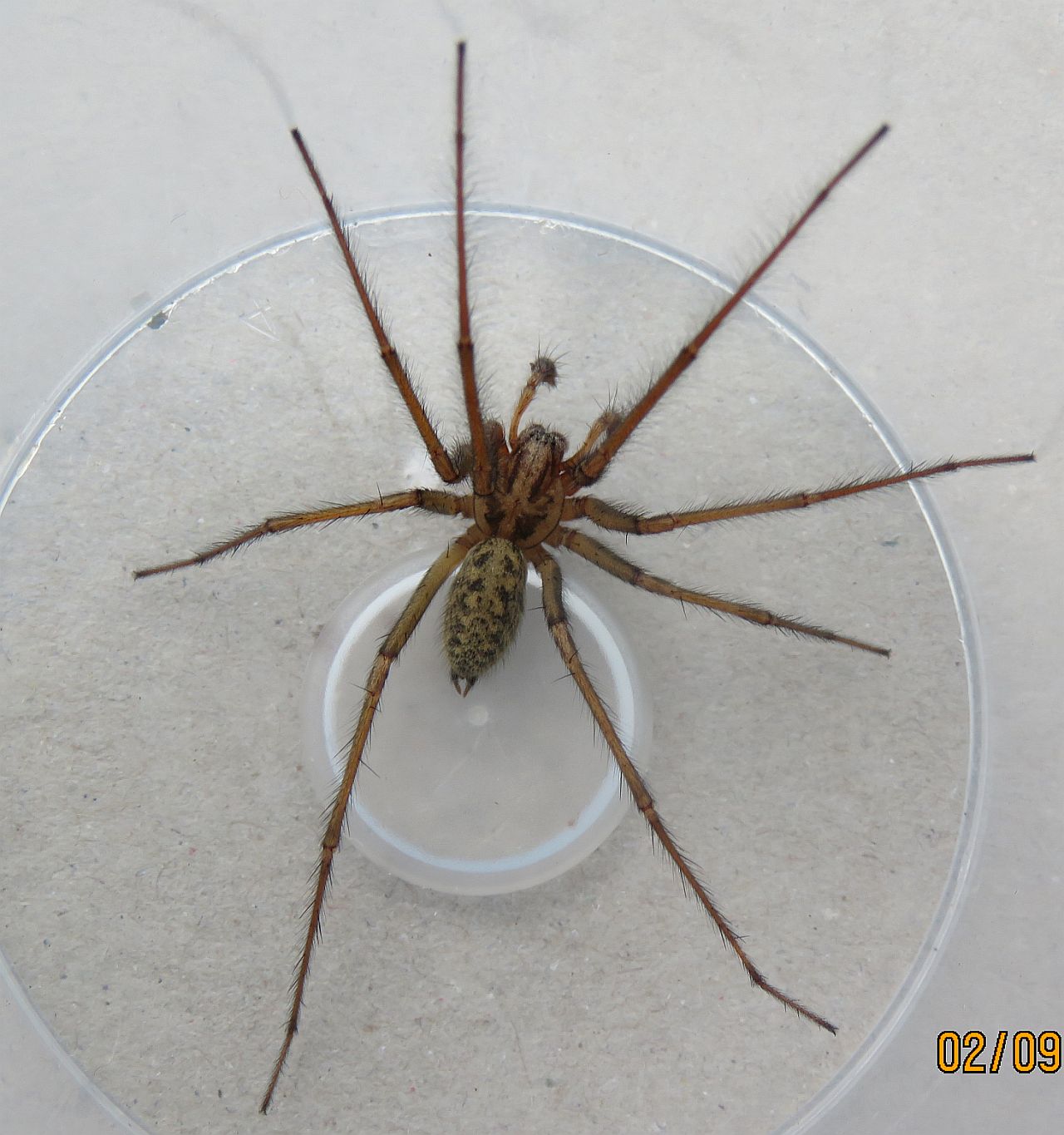 It’s that time of year again. The nights are darkening and it’s spider season .So why does autumn seem to bring in so many spiders? Well, its mating season the weather’s getting colder and the spiders are
tempted into houses, sheds and garages by the prospect of a bit more warmth.Look out for Giant House Spider Eratigena atrica .
It’s that time of year again. The nights are darkening and it’s spider season .So why does autumn seem to bring in so many spiders? Well, its mating season the weather’s getting colder and the spiders are
tempted into houses, sheds and garages by the prospect of a bit more warmth.Look out for Giant House Spider Eratigena atrica .
Fungi/ Lichen
Do not eat any fungi that have not been properly identified , some are DEADLY when ingested .
Reptiles
Fish
Mammals/Amphibians
06/10/26
In Area 4 at 19:30 a Red Fox Vulpes vulpes was seen running along the verge of Heron Road.
21/09/26
02/10/26
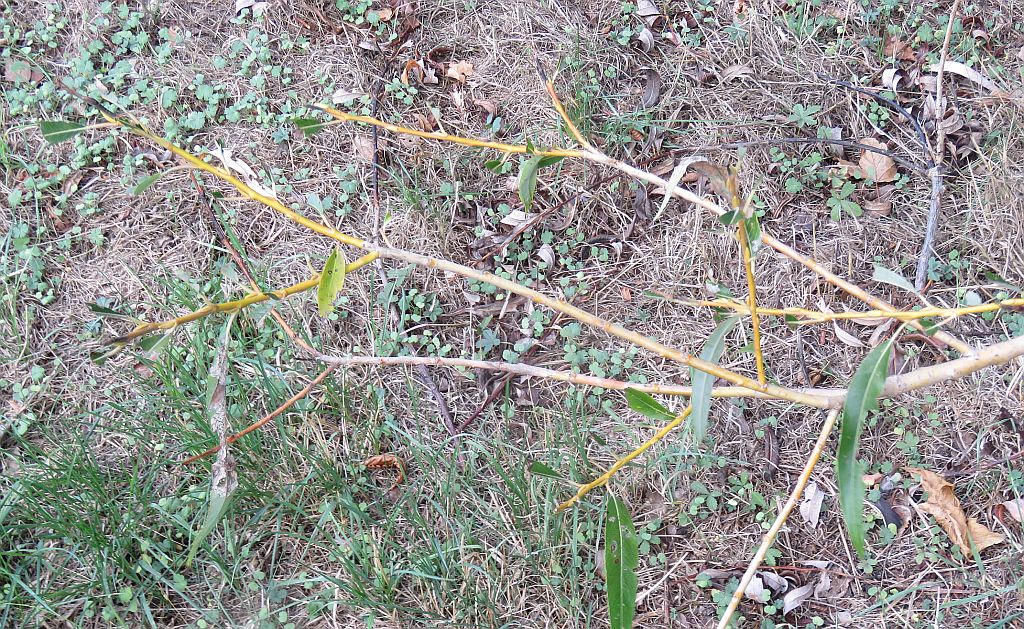 In Area 5 on the Spine Road were signs that Roe Deer Capreolus capreolus had been feeding on the lower branches of the roadside Willow.
|